
Museo Arte Contemporanea Cavalese – Piazzetta Rizzoli 1
March 22 – June 29, 2025
Museo Arte Contemporanea di Cavalese
Piazzetta Rizzoli, 1, 38033 Cavalese (TN), Cavalese, IT
Photo: Erjola Zhuka
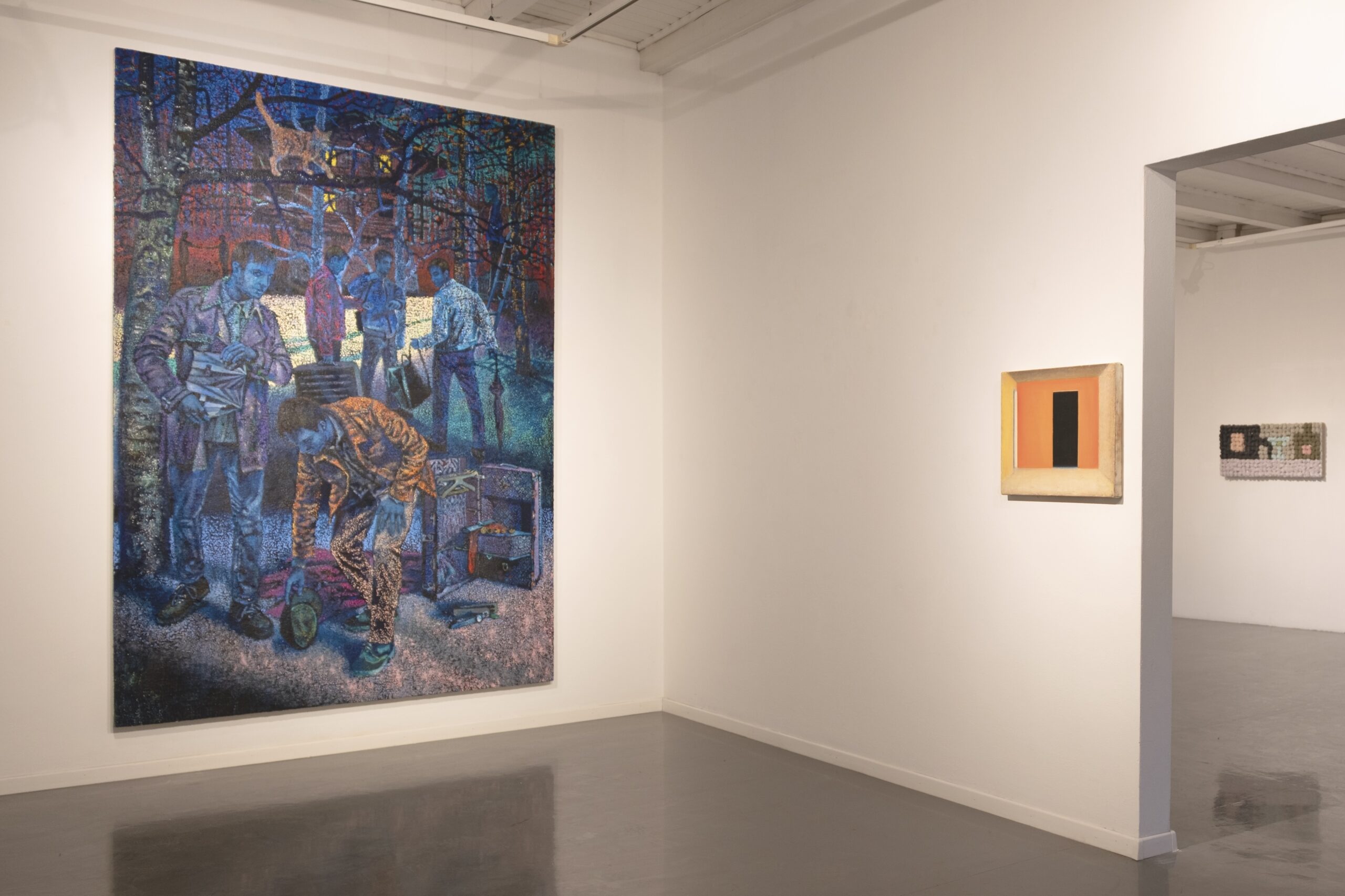
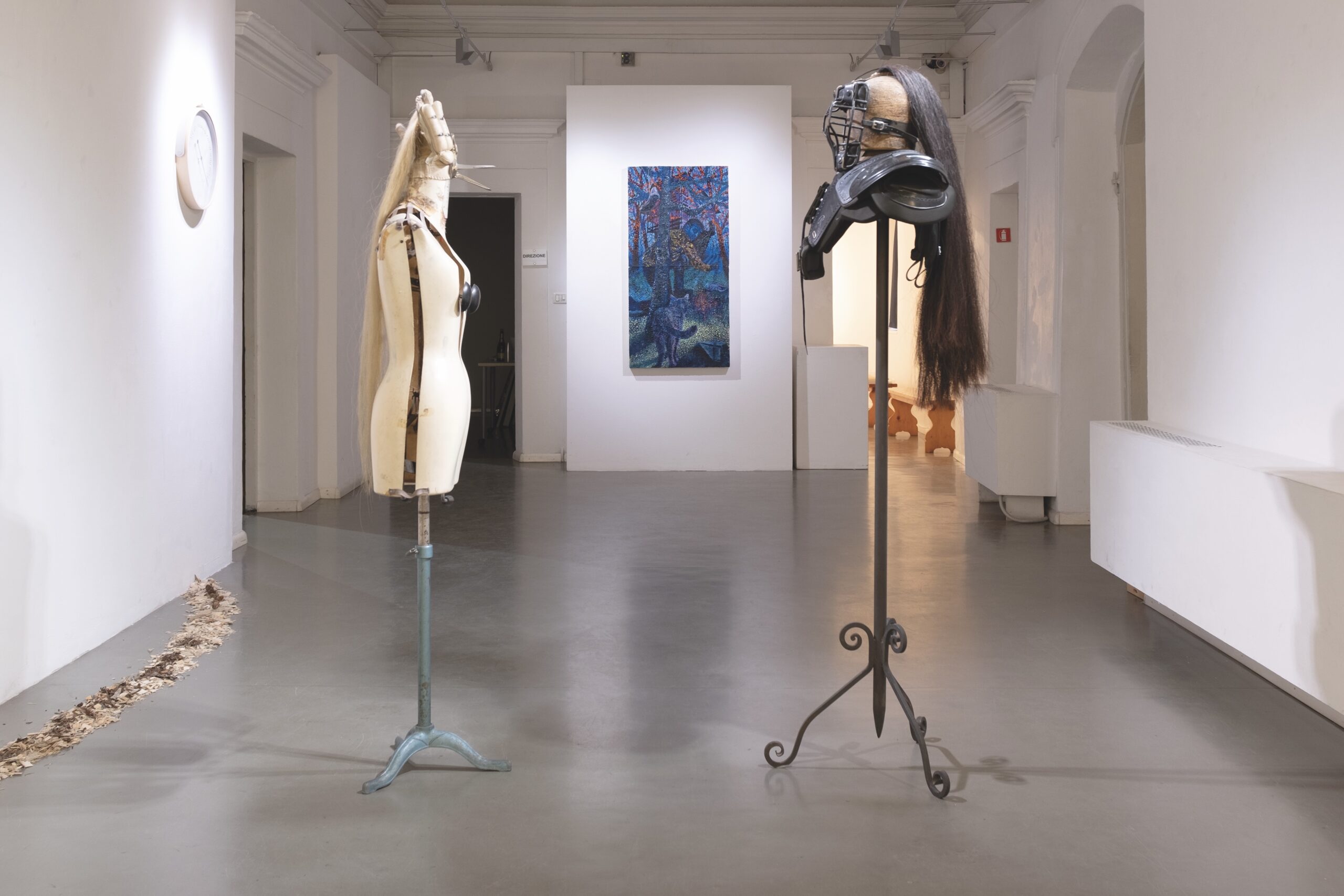
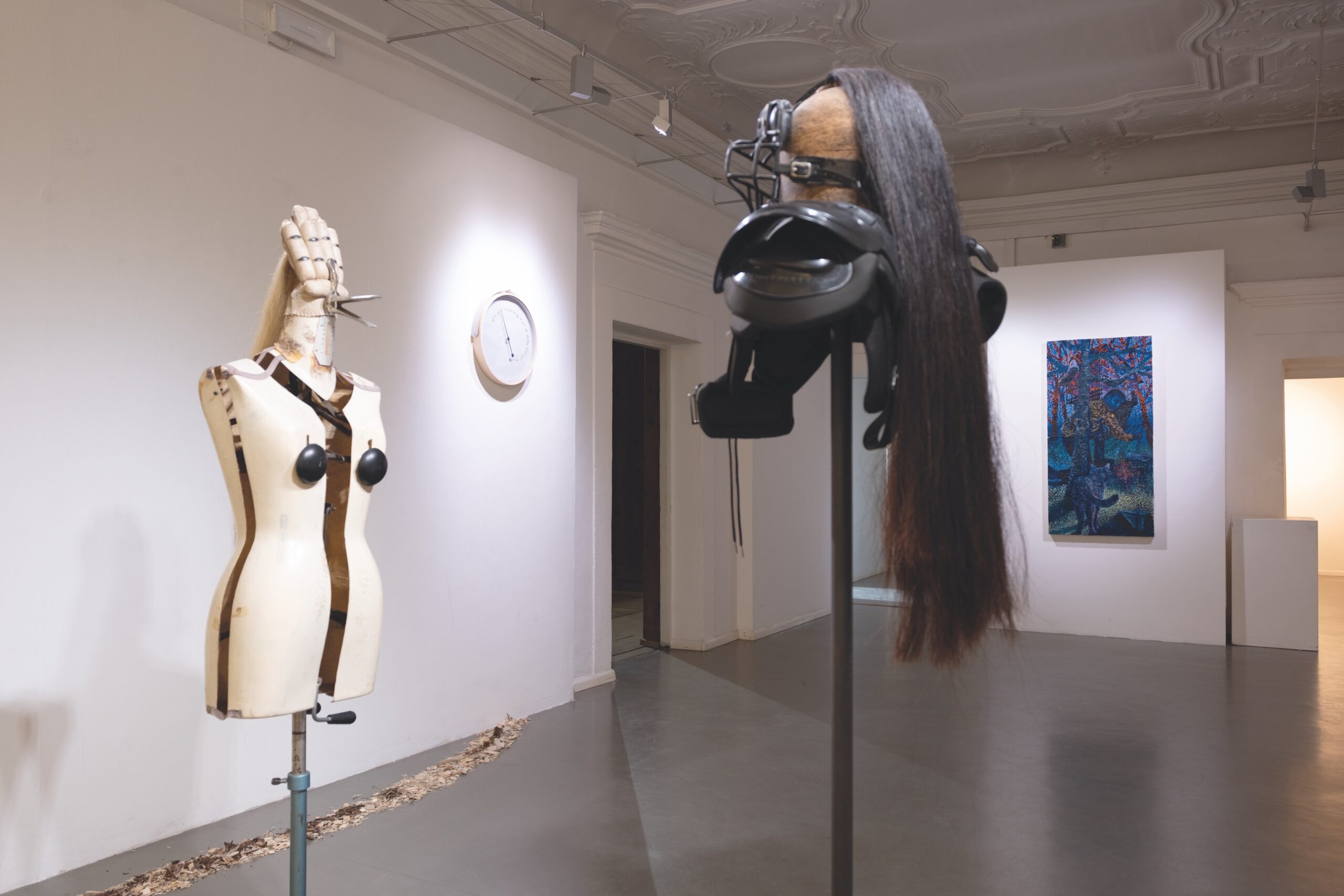
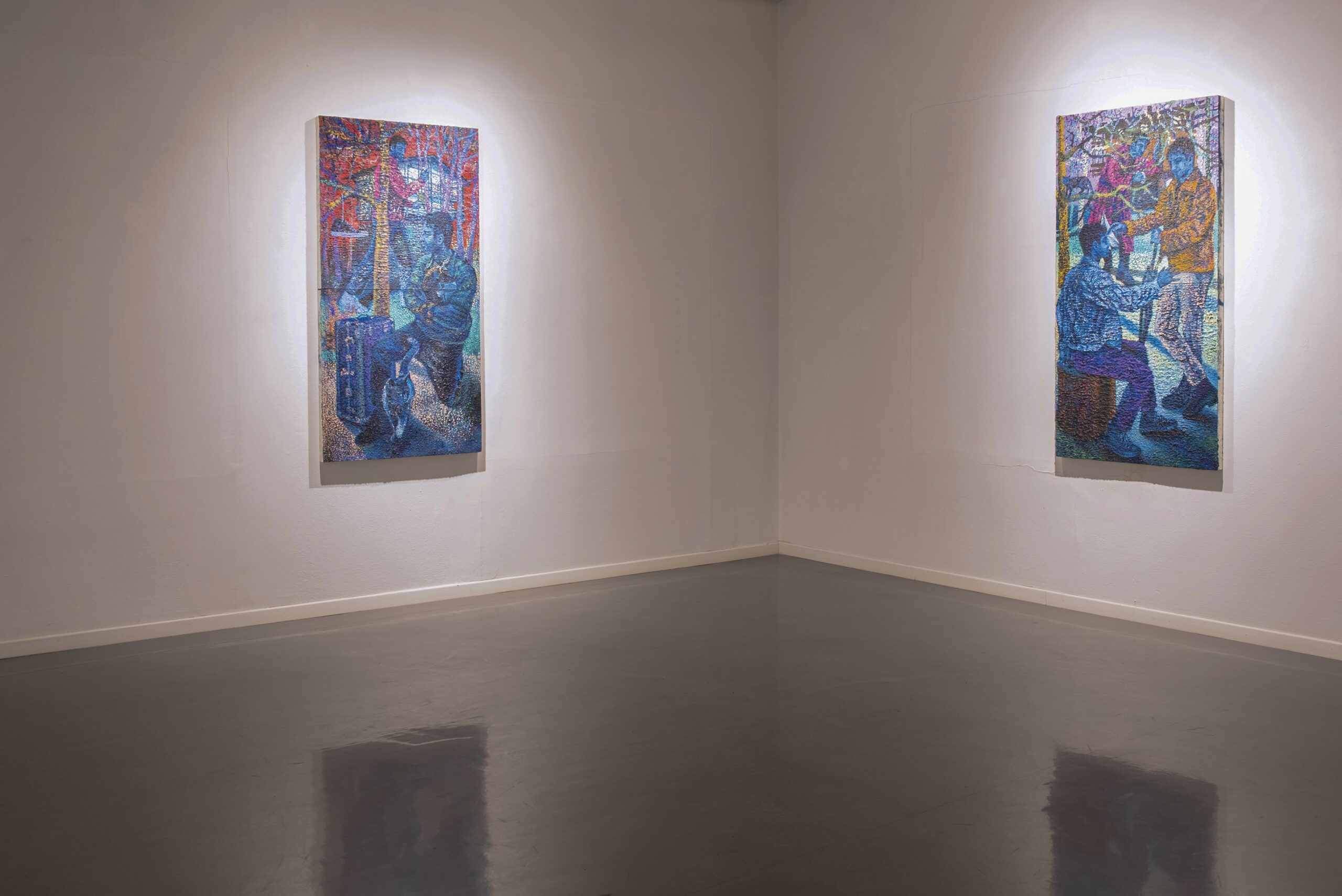
The exhibition explores the phenomenon of dwelling as an existential and relational experience, focusing on the notion of place as a space inhabited by bodies and people, while investigating the interaction between individuals and communities.
Curated by Elsa Barbieri, the exhibition invites reflection on the phenomenon of dwelling as an existential and relational experience, focusing on the notion of place as a space inhabited by bodies and people, while exploring the interaction between individuals and communities.
The exhibition takes its title from the physical address of the Museo d’Arte Contemporanea di Cavalese.
“It is an intriguing title that reflects my desire to share this place with the community. I would like as many people as possible to recognise themselves as its inhabitants, whether through instinct or intention, emotion or materiality, dreams or tangible reality. Dwelling is a phenomenon so deeply and intimately connected to our existence that it cannot be confined to a single definition. However, we can attempt a phenomenological description that highlights the many facets of this human practice,” explains Elsa Barbieri, Director of the Museum.
To dwell is to come into the world, and to come into the world is already to dwell: this is the very essence of Piazzetta Rizzoli 1.
The works on display inhabit space and interpersonal relationships — shaped by natural impulses as well as deliberate artistic intentions — unfolding across diverse historical trajectories.
The exhibition unfolds throughout the museum’s galleries, creating interconnected environments and encouraging new perspectives. Visitors encounter unfamiliar and surprising landscapes, both external and internal, alongside faces, bodies and voices that are at once unprecedented and archetypal, familiar and unsettling, joyful, profound and mystical. Together, they affirm that dwelling is a sensation, a way of feeling.
Upon crossing the museum’s threshold, visitors enter a collective dialogue composed of diverse artistic languages and distinctive references drawn from each artist’s personal experiences and history.
One example can be found in the works of Fulvio Morella, which feature the “starry Braille” alphabet, a poetic reinterpretation of Braille in which traditional raised dots are replaced by stars. Through this approach, Morella invites visitors to touch the sky and the stars with their fingertips, reminding us that limitations do not exist and that we are the authors of our own poetry, living each day to the fullest.
The exhibition unfolds through a narrative that examines seemingly opposing concepts, bringing them together in innovative ways. These include nature and technology — central elements in the artistic practice of Lorenzo Gnata — and reality and magic, which form the foundations of Robert Bosisio’s artistic research.
Across the museum’s three exhibition floors, works and installations also explore the ambiguity and sense of disorientation that can arise when the boundaries between interior and exterior are no longer clearly defined or distinguishable.
Joe Zucker creates windows onto scenes of everyday conviviality, examining the harvesting and processing of olives in various regions of Italy, while John Torreano extends painting into the realm of sculpture, giving his works the metaphorical significance of stars in deep space. Their facets shift and change as the viewer moves around them.
The human figure is also extensively explored by Gabriele Napoli, through a multiplication of alter egos that investigate the self in search of identity, within environments suspended between reality and dreams.
Similarly, Daniel Spoerri, through his mannequins, reveals how every object possesses its own soul and poetic dimension.
Edson Luli inhabits the museum’s exhibition spaces through a series of clocks specifically created for the exhibition. Stripped of their original function, these works open up reflections on time as a dimension that remains perpetually current and present.
After all, every inhabited space, from homes to offices, contains wall clocks. In this instance, Luli retains only the second hands, which move continuously within an abstract dimension devoid of reference points.
Finally, the exhibition actively involves the local community in the artistic process, opening up new possibilities for exchange and interaction.
This is exemplified by Fiammazze, a site-specific work created by artist Martina Melilli and sound designer Mauro Diciocia, in collaboration with Associazione ION.
Melilli and Diciocia worked with a group of women from Cavalese — Donatella Antoniazzi, Alice Bertoluzza, Loretta Corradini, Patrizia Dauru, Sara Defrancesco, Luisa Degiampietro, Barbara Molina, Christine Nones, Anna Maria Piazzi, Veronica Pinter, Patrizia Rossi, Fitime Sulejmani, Annamaria Vanzo and Elena Vinante — collecting a series of women’s stories connected to the local area.
These narratives, whether autobiographical or otherwise, contemporary or historical, real or imagined, were then each associated with a specific sound-producing object, selected together with the women themselves.
With Piazzetta Rizzoli 1, the Museo d’Arte Contemporanea di Cavalese, under the direction of Elsa Barbieri, once again establishes itself as a place of encounter and experimentation for Italian and international artists from different generations, who seek, through their artistic practices, to foster new forms of dialogue and participation with the local community.